About South Australian Local Councils
What is Local GovernmentThe term "Local Government" refers to the system in which 68 local Councils operate in South Australia. The Constitution Act 1934 (SA), the Local Government Act 1999 (SA), and the Local Government (Elections) Act 1999 (SA), create the legal framework within which Local Government operates and the four-yearly election process which underpins the representative nature of Local Government Councils. More than one in three people voluntarily choose to exercise their democratic right by voting in Council elections.Democratically elected members make up Local Government Councils and with staff support and in partnership with their local communities they manage more than $8 billion worth of community infrastructure and invest about $1 billion a year in providing services to people who live, work, do business in, and visit the local Council area.As with other democratically elected governments, ie the State and Federal Governments, Councils have powers to raise revenue (primarily through Council rates) to provide and maintain infrastructure and services, to regulate activities (such as building development) and to impose penalties if local regulations are breached (for example dangerous dog attacks).The Local Government system in SA is integral to the democratic system of government in Australia which provides vital economic, social and environmental support for communities. Since the 1960s Councils' roles have steadily expanded. This is due to:community standards and expectations growing along with economic growth (for example a higher number of vehicles per household leads to demand for safer local roads/traffic management and the emergence of Legionnaire's Disease creates new environmental health inspection requirements);reductions in the size of both Federal and State public services and greater legal requirements (eg building fire safety inspections now done by Councils and higher workplace safety standards affecting all employers);and greater demand for local services (eg recycling or immunisation of school children against Meningococcal C).How Councils operateCouncils largely operate autonomously within the framework of the legislation and are primarily accountability to their local communities. They are generally not subject to Ministerial direction by either State or Federal Governments. Sometimes, such as in the area of planning and development, Councils work jointly with the State Government, and their decisions may be subject to advice and direction from State Government.Local Government in South Australia is typified by:high standards of operational competence and accountability;sharing resources, working consultatively and cooperatively with other Councils and other spheres of government;low net debt and conservative management of finances;expanding roles to respond to community demands and service gaps.
Reviews
| 5 | 0% | (0) | |
| 4 | 0% | (0) | |
| 3 | 0% | (0) | |
| 2 | 0% | (0) | |
| 1 | 0% | (0) |
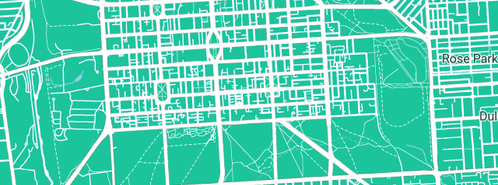
Where to find South Australian Local Councils

Nearby Businesses
Check out these popular businesses in Adelaide, SA 5000