Get a quote in
Newcastle, NSW 2300
Find and get quotes from businesses in Newcastle, NSW 2300.
Get a quote its free!
Top businesses in Newcastle, NSW 2300







Latest reviews of Newcastle, NSW 2300 businesses
Steve did a great job of putting together a flat pack with no instructions.
Thanks Steve. Appreciate you ringing me about flat pack assembly. I did get a local person close to me.
Thanks so much for all your support with my mother/father in law. I am so grateful for your kind gestures and gentle nature and attention on details. I’ll be happy to recommend you to anyone I know.
Great job what a team
I really enjoyed the working from them they are specialist on moving. I would love to recommend this hard worker team for everyone
Cheers
ZacC
I would highly recommend Menken plumbing services to everyone. I am so grateful that Luke came to help me with very short notice when I had an unexpected leak in my bathroom he had the problem fixed in no time and was very kind and professional. If I could give more than 5 stars I would 🙂 …
We have used Menken Plumbing twice and have found them very professional and always on time. Also so helpful with any questions or worries I had in doing a new bathroom.
Highly recommend Menken plumbing services, we have had Luke out to our place a couple of times now and have received the best service and advice.
Had a blockage in our sewer, gave menken plumbing a call they were very quick to respond. After using there camera to find a piece of porcelain from the previous owners renovations they knew exactly where we needed to dig to be able to get a machine in to grab the piece out. Was completed in great time and at a great price. Highly recommend there services, luke was great to deal with and knew exactly what the problem was and roughly where before he even started. Will be using them in the future!
In the many times we have used MenKen plumbing services, Luke has always been a huge help. Always getting the jobs done efficiently and is always very responsive when getting in contact. Would highly recommend!
Great service, nice man, great job done, will recommend Steve to any one. We was very happy
The best removalists in town for very protective for you stuff you can remove your house in very good prices
Responsive, honest and reliable. Quite pleasant to deal with. Highly recommend and will definitely be a repeat customer.
Friendly and reliable team with excellent customer service. Would definitely recommend
I give this company a 5?star rating !! They are extremely hardworking and honest and catered all my needs. There prices are unbeatable. Will definitely use them again
Luke has been our plumber for afew years now and has always done a fantastic job. He is really friendly, caring, and professional and provides exceptional service every time he is doing a job. I highly recommend Luke to anyone looking for a plumber he is excellent!
Luke has been our plumber for afew years now and has always done a fantastic job. He is really friendly, caring, and professional and provides exceptional service every time he is doing a job. I highly recommend Luke to anyone looking for a plumber he is excellent!
Menken Plumbing Services were able to fix a drainage problem on our property that other plumbers on the Central Coast could not fix. Great service, friendly workers I would recommend Menken Plumbing Services to anyone looking for a plumber.
Menken Plumbing Services were able to fix a drainage problem on our property that other plumbers on the Central Coast could not fix. Great service, friendly workers I would recommend Menken Plumbing Services to anyone looking for a plumber.
Get connected with the best businesses in your area
We independently verify businesses all around Australia so you can have the confidence that you're getting a good deal when you get a quote through us.
Get a quote its free!What's happening in Newcastle, NSW 2300
Newcastle Web Co
12 Sept 2026A custom website for $1,800, live in three weeks
We build websites for businesses across Newcastle and the Hunter. No templates, no page builders, no surprise invoices.
The Starter is $1,800 fixed. Three to five pages, hand-built, live in three weeks. It loads in under 2.5 seconds on a phone and scores 95+ on Lighthouse, which is faster than most sites in the region.
The search work is in the price, not sold back later: keyword research, on-page SEO, local business schema, and the signals that get you found by Google and cited by ChatGPT and Gemini.
Fixed price, agreed before we start. You deal with the person building your site.

Hunter Pro Bricklaying
20 Aug 20263 Things to Consider When Planning Brickwork in the Hunter Region
When starting a new build, extension, or landscaping project, choosing the right masonry approach makes all the difference in long-term stability and appearance. If you're planning a project in the Hunter Valley area, here are three key factors to keep in mind:
Soil & Footings Matter: Local soil conditions across Newcastle, Maitland, and the broader Hunter Region vary significantly. Ensuring your footings are correctly engineered before laying the first brick prevents structural settlement issues down the road.
Matching Brick & Mortar Styles: Whether you're extending an existing property or building new, matching brick profiles and mortar joints ensures a seamless finish. Clean joinery and proper repointing keep moisture out and preserve structural integrity.
Choosing the Right Masonry Setup: From retaining walls that handle slope drainage to structural blockwork for modern homes, using the correct mortar mix and reinforcement ensures your walls withstand Australian weather conditions.
At Hunter Pro Bricklaying, we take pride in sharing practical advice and quality bricklaying techniques across our local community. Stay tuned for more tips on home extensions, masonry care, and structural brickwork.
Warners Bay Pilates
23 July 2026Did you know that Pilates isn't just about strengthening your core?
A well-designed Pilates program can also help improve:
• Balance
• Coordination
• Posture
• Breathing
• Joint mobility
• Body awareness
At Warners Bay Pilates, every program is individually designed because every body moves differently.
That's what makes personalised Clinical Pilates so effective.
#WarnersBayPilates #ClinicalPilates #PilatesFacts #HealthyMovement #MovementIsMedicine #PilatesForEveryone #LakeMacquarie #NewcastleNSW
Warners Bay Pilates
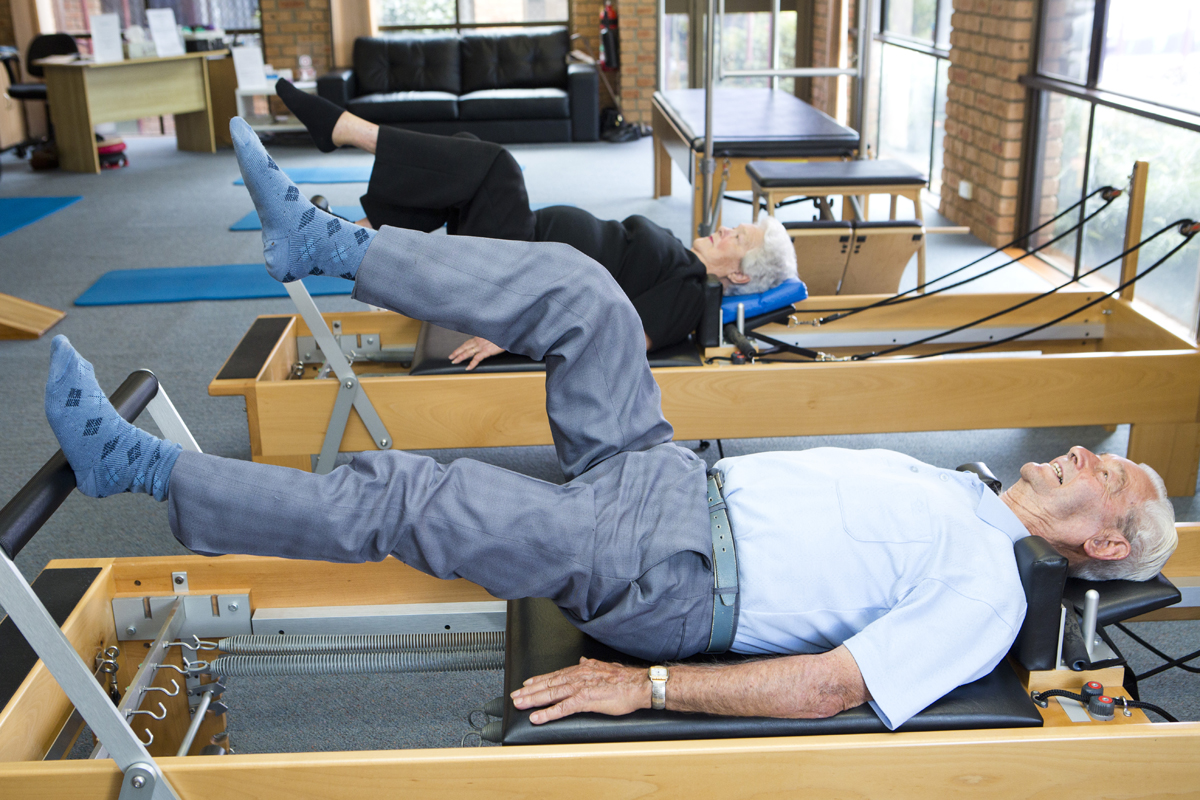
23 July 2026Healthy Ageing Starts with Movement
Growing older doesn't mean slowing down—it means moving smarter.
One of the greatest benefits of Pilates is that it can be adapted to support every stage of life.
At Warners Bay Pilates, we regularly work with clients wanting to improve:
✔ Strength
✔ Balance
✔ Mobility
✔ Posture
✔ Confidence in everyday movement
Our personalised approach means every program is designed around your individual needs, helping you stay active and independent for years to come.
After all, movement is one of the best investments you can make in your future.
Movement with Purpose. Results with Confidence.
📍 Warners Bay Pilates
#WarnersBayPilates #HealthyAgeing #ClinicalPilates #PilatesForLife #PilatesLakeMacquarie #PilatesNewcastle #MovementMatters #StrengthAndBalance #MoveWell #BoutiquePilates
Warners Bay Pilates
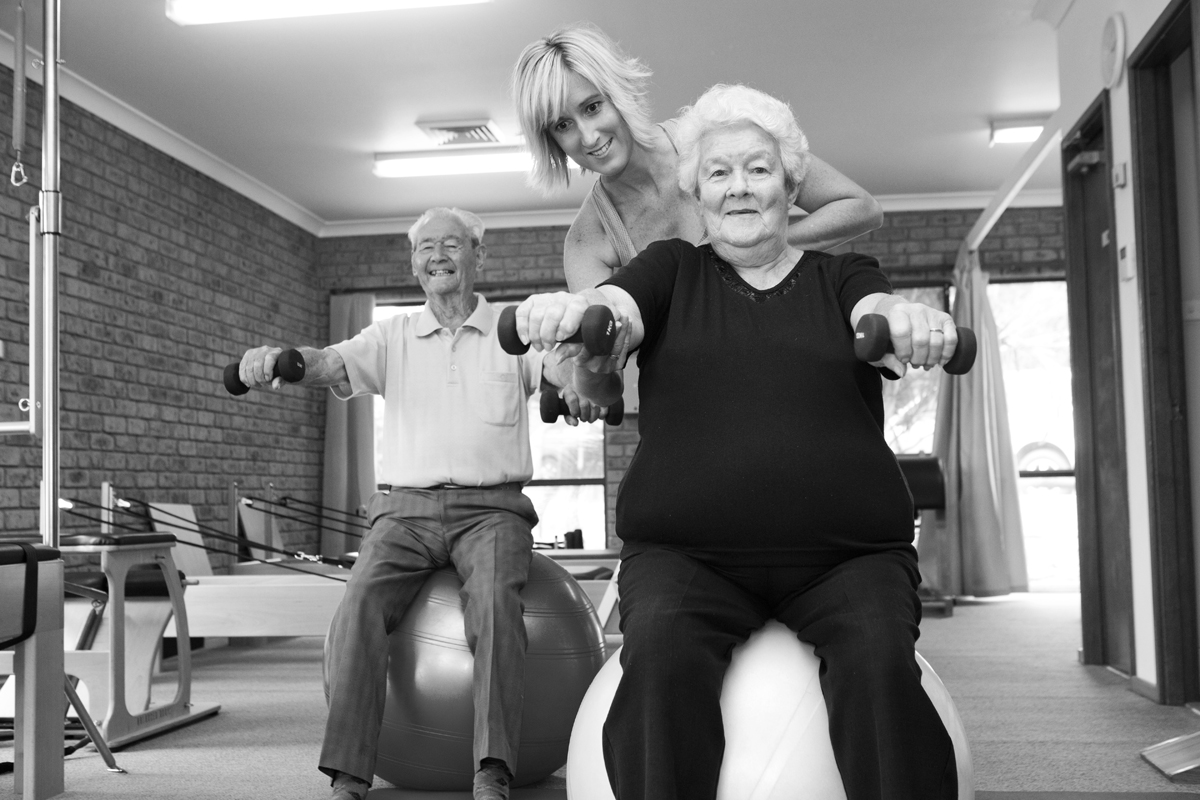
23 July 2026One of the questions I'm often asked is...
"Is all Pilates the same?"
The simple answer is no.
At Warners Bay Pilates, every client begins with an individual movement assessment because no two bodies move the same.
Whether you're recovering from an injury, managing osteoporosis, improving balance, returning after surgery, or simply wanting to become stronger, your Pilates program should be designed specifically for you.
That's why we don't believe in a one-size-fits-all approach.
Our boutique studio limits classes to just four clients per instructor, allowing us to provide individual guidance and progress each person's program safely and effectively.
Pilates isn't just about exercise.
It's about understanding how your body moves today—and helping it move even better tomorrow.
Movement with Purpose. Results with Confidence.
📍 Warners Bay Pilates
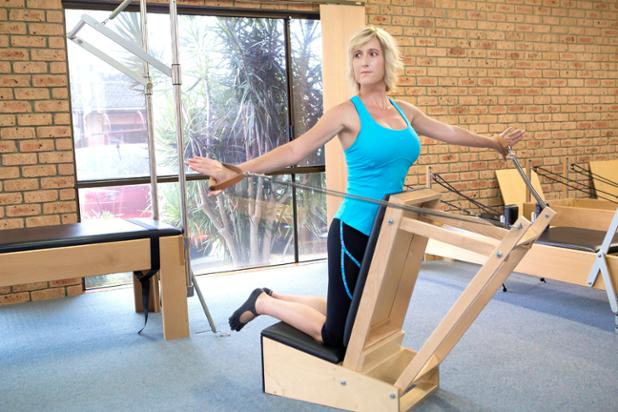
Warners Bay Pilates
23 July 2026Why your first Pilates session matters
Starting Pilates is not about simply copying exercises.
Before beginning a program at Warners Bay Pilates, we take the time to understand how your body moves today.
Your body may have changed since you last exercised, recovered from an injury, experienced surgery, adapted to a new lifestyle, or developed new movement patterns over time.
Your initial movement assessment allows us to understand:
✔ your goals
✔ your movement history
✔ your strengths and limitations
✔ areas requiring support
✔ the most appropriate exercises for your body
This personalised approach means your Pilates program is designed specifically for you — not a one-size-fits-all class.
Whether you are returning to exercise, managing an injury, improving strength and balance, or wanting to move with more confidence, we are here to guide you safely.
At Warners Bay Pilates, every movement has a purpose.
Movement with Purpose. Results with Confidence.
#WarnersBayPilates #ClinicalPilates #PilatesAssessment #PilatesNewcastle #LakeMacquarie
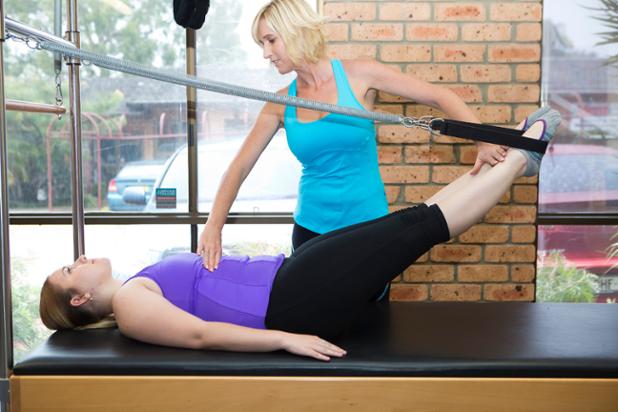
Warners Bay Pilates
23 July 2026Why experience matters when it comes to Pilates
After more than 20 years working in the Pilates industry, one thing I know for certain is that everybody has a story.
No two people move the same way.
No two injuries are the same.
No two Pilates journeys are identical.
At Warners Bay Pilates, Pilates has always been about more than following exercises from a list.
It is about understanding movement, recognising individual needs, adapting exercises and creating a program that supports your body, your goals and your stage of life.
From rehabilitation after injury or surgery, improving strength and balance, supporting healthy ageing, enhancing sporting performance, or simply wanting to move with more confidence — every program is individually designed.
With over two decades of experience, a background as a professional dancer, and extensive training in Pilates and rehabilitation, I bring a deep understanding of how the body moves and adapts.
Our beautiful new studio at Charles Street continues the same philosophy that has guided my work for over 20 years:
Movement with Purpose. Results with Confidence.
Thank you to our amazing clients, past and present, who have been part of this journey. 💜
#WarnersBayPilates #ClinicalPilates #PilatesNewcastle #LakeMacquarie #RehabilitationPilates #MoveBetterFeelStronger
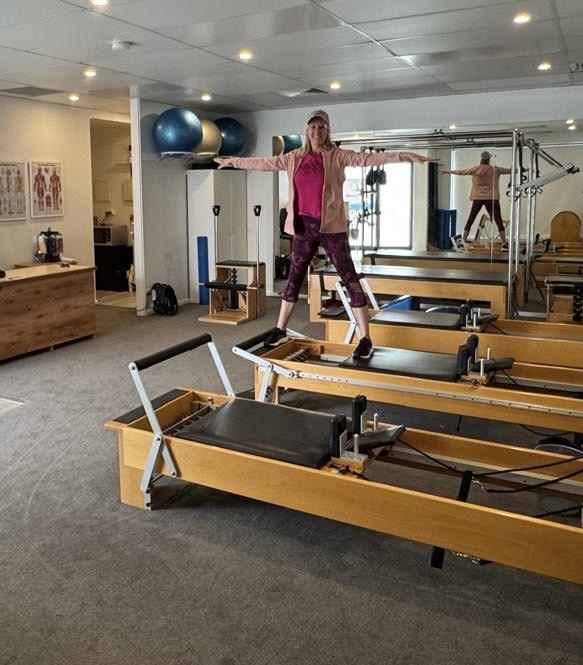
Warners Bay Pilates
23 July 2026So… this happened 12 months ago ✨
After 20 years in business — and 15 incredible years in our original space — Warners Bay Pilates took a leap and moved into a beautiful new home.
And what a year it has been.
This move became so much more than a change of address. It marked growth, new beginnings, and the next exciting chapter for our studio and the community that surrounds it.
Over the past 12 months, we’ve welcomed new faces, continued supporting our long-time clients, celebrated milestones, shared movement, strength and recovery, and created even more connection within these walls.
Our new studio has become a place to move, breathe, feel supported and feel at home — and for that, we have all of you to thank.
To every client who trusted us through the transition and continues to walk through our doors each week — thank you. Your loyalty, support and sense of community are what make Warners Bay Pilates so special.
💜Same heart. New home. Bigger vision.
Here’s to the next chapter.
#WarnersBayPilates #12MonthsOn #NewBeginnings #PilatesCommunity #20YearsInBusiness #WarnersBay